whispers hey you can’t use the same critical framework on works by individual lgbt creators that you use for works by corporations looking for profit from lgbt stories written by straight people because the context and consumption of that content exist in completely separate spheres thannnkssssss
you can’t deride a depressed lesbian’s work for having the sad lesbian trope in it
you can’t tell a trans woman writing about being trans that she’s just writing the stereotypical trans narrative
those are their stories to tell and they’re not stereotypes they’re real lives and reducing them to the boxes het media puts us in is reproducing their oppression
And the God-tier is when people criticise individual LGBTQ people for being “stereotypical” in the way they live their lives X___x
You know what I find interesting? How I Met Your Mother just like… disappeared from culture after the finale aired. Like sure you might still hear the odd, “Challenge accepted” or use that gif of Marshall hugging the pillow as a reaction image, but no one really uses the phrases in vernacular, no one talks about the episodes.
And I think it has to do with the fact that the finale betrayed fans badly.
Take Friends for instance. It still is a lasting cultural thing. I think we can all agree now in hindsight, that Ross is an absolute douchecanoe, but at the time, the majority of fans wanted Ross and Rachel to get together because it had been this thing that the show had told us through cues was MEANT to be.
In HIMYM, the entire show was predicated on MEETING the Mother, and we had ruled out that Robin wasn’t the Mother. More than that, they had shown us that Barney and Robin were actually perfect for each other. They had spent episodes and seasons redeeming Barney, and softening Robin and showing us why they were meant to be. And to see BOTH of those relationships forced apart for a series finale that they had written all the way back in season 1 that didn’t make any sense for the story they eventually told, was damning for the show’s legacy in culture.
I firmly believe that writers should be able to write the story they want, and if you want to listen to constructive criticism or do a little fan service along the way then great, but when you get to the finale? That right there is 100% for the fans. The finale is when you let go of the story completely. The finale is a love letter to the people who made your show continue for as long as it did. Good finales are why shows survive.
When you’re writing a work-in-progress, sometimes you have to abandon your original plan. Let that be a lesson.
This.
But, also, they actually succeeded with the Mother. I thought that ‘The Mother’ would never be able up to the hype and mythologizing Ted did, but y’know what?
Tracy McConnell lived up to the hype and more, and had amazing chemistry with Ted. And instead of writing towards the characters and the amazing performance on screen the showrunners force an ending they planned from almost a decade before.
HIMYM is also very much a lesson of listening to the characters and, if you’re writing for actors, to the truth of the chemistry that’s in front of them.
Another crucial lesson? Endings are important because if you botch that up, everything you did before that will just disappear into the ether of annoyance and anger.
I think the worst thing was they made us fall in love with Tracy and went ‘welp, she dies at the end’ which to me canceled out her value as a fleshed out character – which is an amazing feat in of itself with the number of episodes she was in – and turned her into this plot device that was brought into existence to give ted the kids he wanted so he can end up with ‘the love of his life’, Robin who never wanted kids.
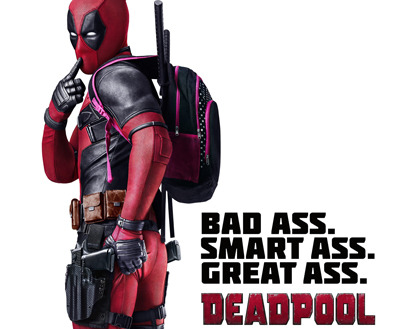
deadpool is honestly more wholesome than any of the mcu movies
Explain
ok so
Doesn’t straightwash queer characters! this was a big one. (marvel movies have a huge problem with straightwashing*)
Deadpool is canonically pansexual, and the movies reflect this! Reynolds doesn’t shy away at all from Deadpool’s sexual interest in men.
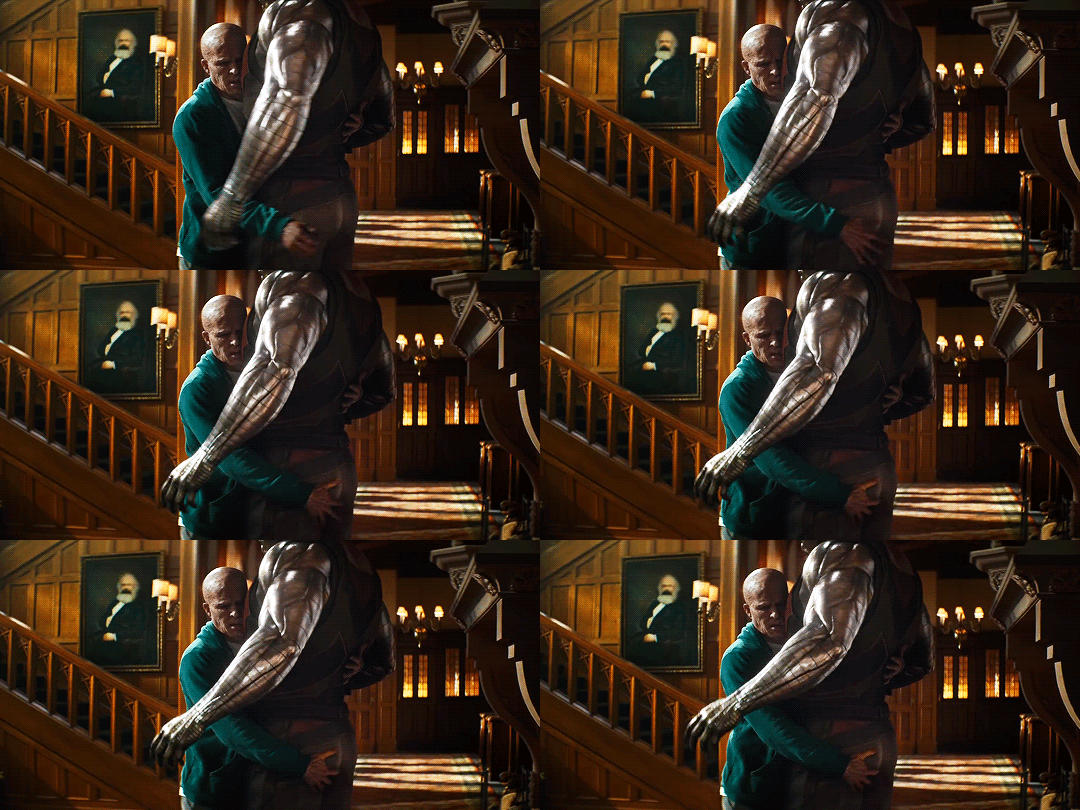
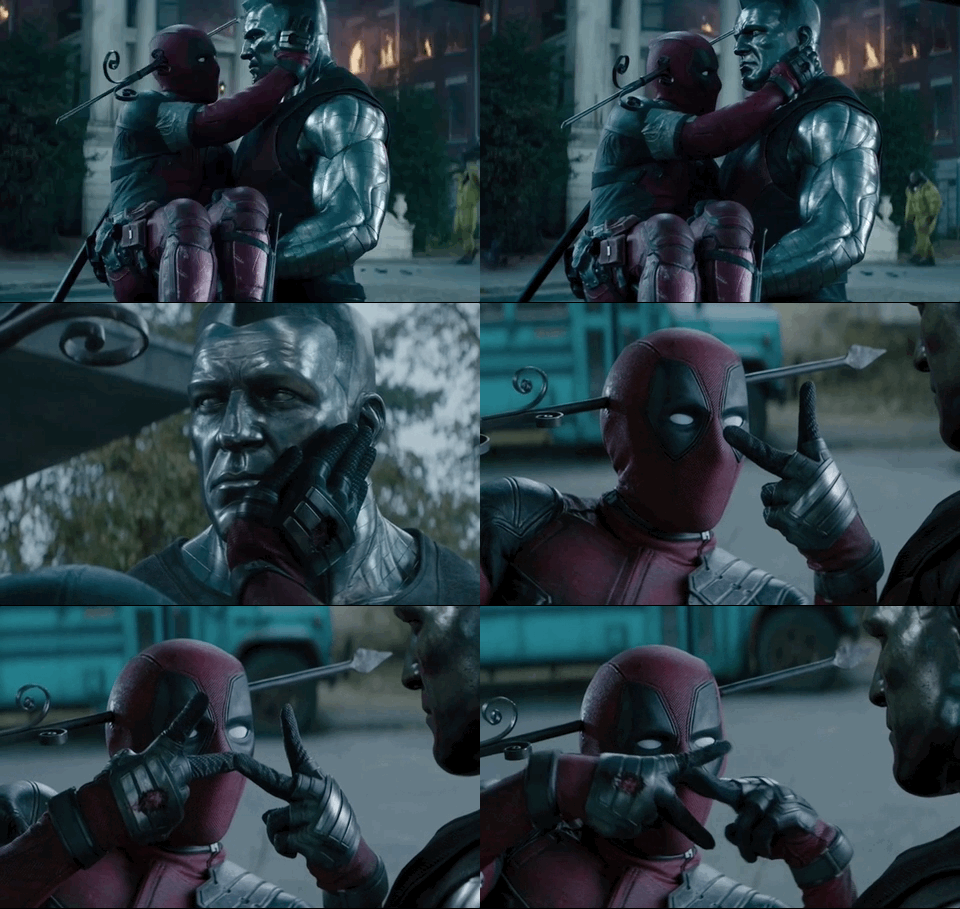
(head injuries bring out deadpool’s romantic sexy feelings it seems. in the first movie, knife to the head = romantic montage with vanessa. in the sequel, fencepost to the head = deadpool sensually trying to go down on Colossus.)
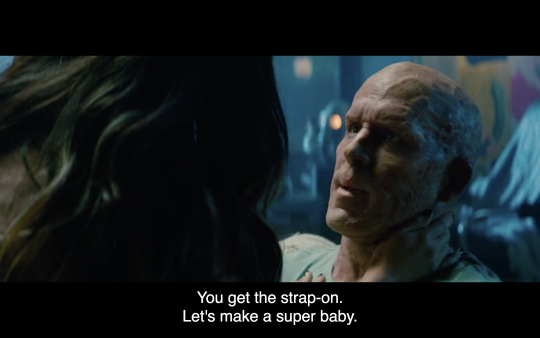
(semi-related, both movies have some cute references to deadpool enjoying being on the receiving end in the bedroom.)
(yeah, it’s canon, Deadpool enjoys being pegged)
Oh hey, a healthy romantic relationship based on mutual respect and love! and with a fully developed female character with personal agency! A love interest who doesn’t just function as a plot device.
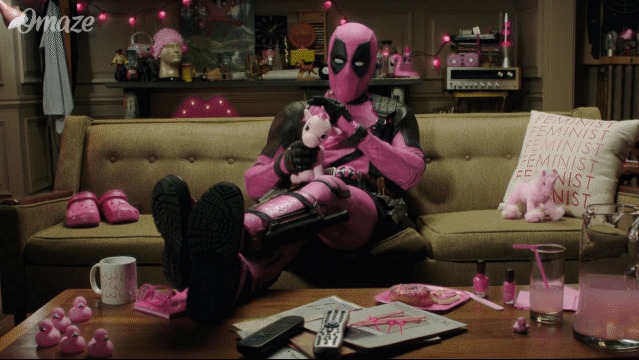
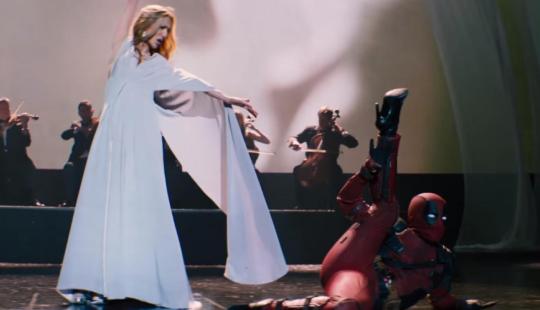
POLAR OPPOSITE OF TOXIC MASCULINITY. This really shines through in their marketing
(yes that pillows says “FEMINIST”)
(yes that is deadpool in heels dancing to celine dion)
Diverse casting! Characters who are poc just because poc exist!
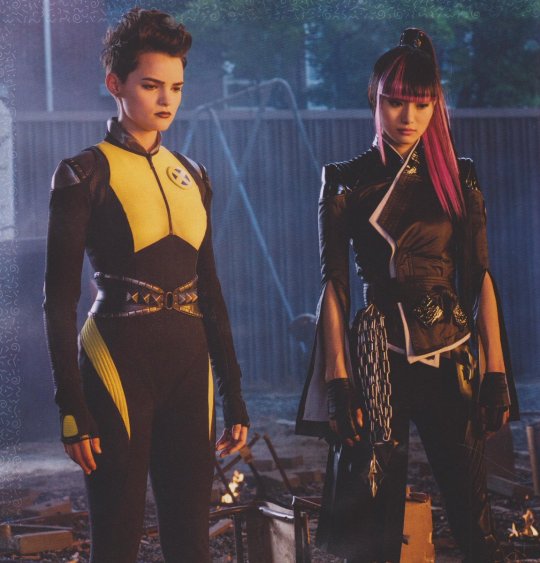
Hey look, a cute lesbian couple treated with respect and one of them’s asian!
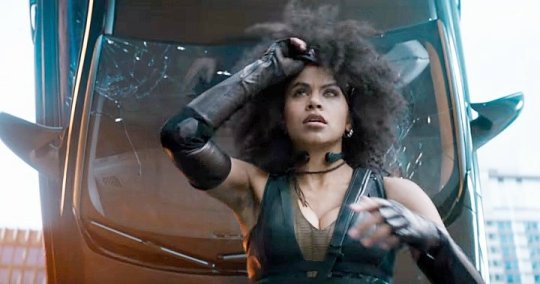
Holy crap i don’t say this enough but i loveDomino. What a badass. Sexy-but-not-sexualized black female action hero who is probably the coolest person in the movie.
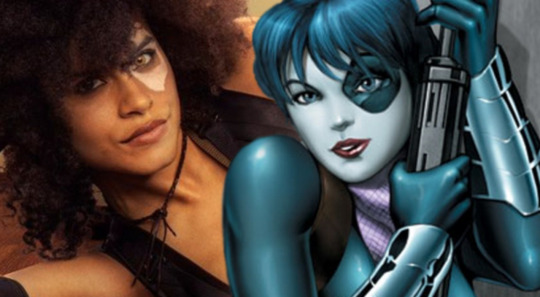
Deadpool 2 took a run-of-the-mill white character design and made her interesting!
Her trademark eye patch is now vitiligo! She has awesome natural hair. And look, body hair exists! On a person who is a woman! Which shouldn’t be unusual, but here we are. Also, she’s fun
Portrayed by the talented Zazie Beetz. Did I mention how much i love this character?
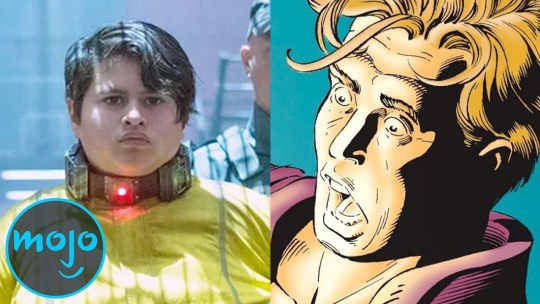
Oh look, another much improved character design!
We’ve got your humdrum blondie cleft-chin stereotype replaced with a heavyset maori teen actor (Julian Dennison, who incidentally was in Taika Waititi’s indie movie Hunt for the Wilderpeople).
Overall themes: The movies have a lot of dirty humor and innuendo. But the overall takeaway is actually pretty sentimental. The Deadpool 2 themes in particular gets to me:
Not repeating the mistakes of the previous generation. “Kids give us a chance of being better than we used to be.”
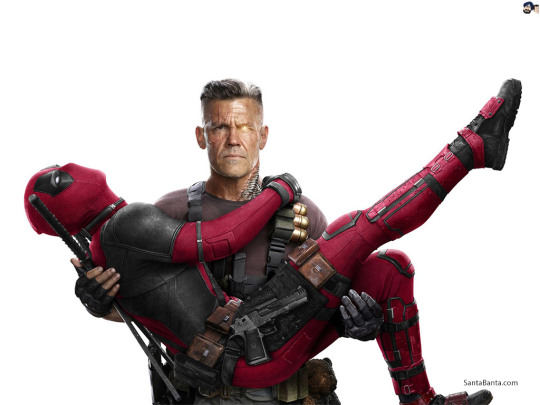
The loss and recovery of family. Accepting friendship in the midst of tragedy. See also: Cable’s story arc.
Letting go of loss and bitterness to try to save a child who’s been abandoned by the world.
I’m honestly so excited about the choices the director & producers have been making for this franchise. They’re setting the narrative standard for modern superhero films. Can’t wait to see what the next movie has in store.
Deadpool 2 is also pretty explicitly no-holds-barred criticism of foster care abuse, child abuse in churches, homophobia, and the way sexual assault is ignored. Deadpool 2 gave all of the fucks and was not afraid to let everyone know.
People who like rocks see cool rocks everywhere. People who like birds see interesting birds everywhere. The tree on your yard could be an exceptional specimen. The world around you could be amazing and magical, but you aren’t enough of a nerd to see it.
I gave my mum Alexandra Horowitz’s On Looking: Eleven Walks Through Expert Eyes for her birthday this year, it’s a book that revolves around this idea: the author invites 11 specialists in different things to walk around a boring city block with her one after the other so they can point out to her the things they see, that she doesn’t notice. There’s an expert in typography talking about what the variety of fonts on urban signs can tell you about the city’s history, an entomologist pointing out all the urban insects no one pays attention to, a geologist, a sound engineer…








 Solfege Navigator