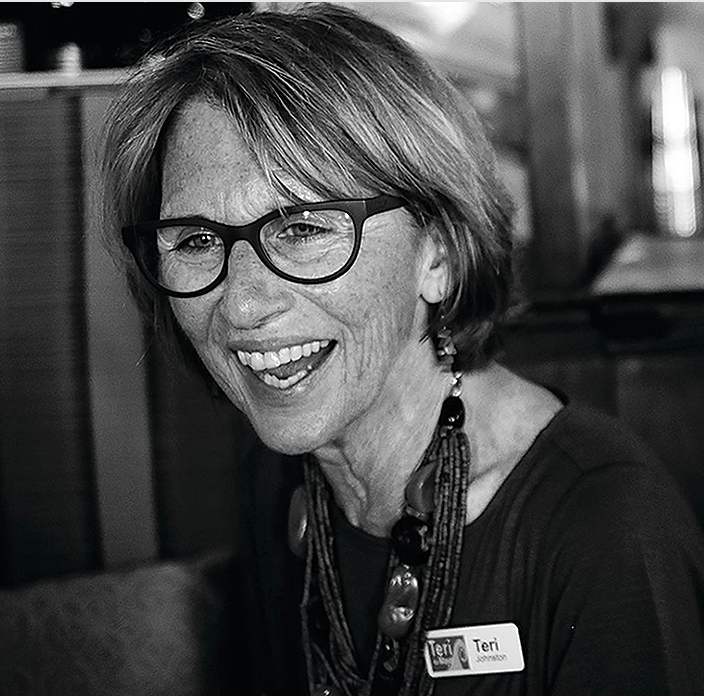
Key West elected Teri Johnston, Florida’s first openly lesbian mayor
New York elected Alexandria Ocasio-Cortez, the youngest woman ever elected to Congress alongside Abby Finkenauer, elected in Iowa and one of the first Iowan women ever elected to the House
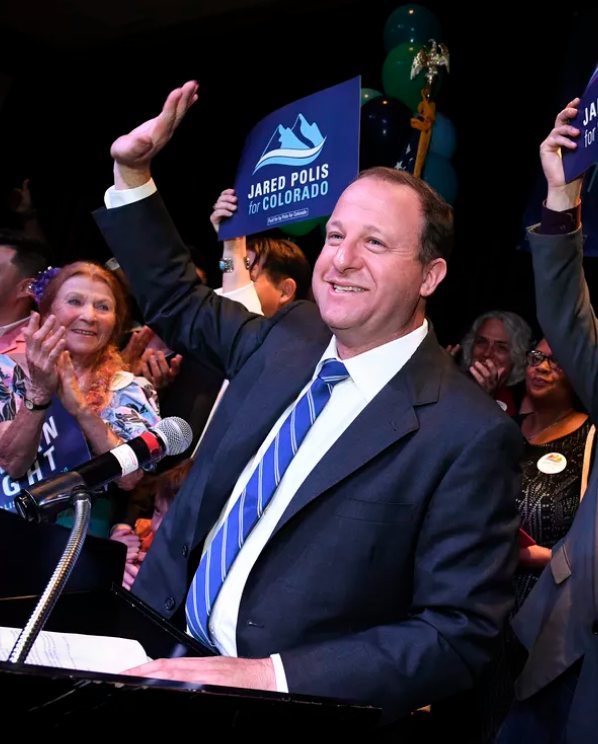
Colorado elected Jared Polis, the first openly gay man elected governor in the US
Minnesota elected Ilhan Omar, the first Muslim woman (alongside Rashida Tlaib), the first refugee, and the first Somali-American woman elected to Congress
Massachusetts elected Ayanna Pressley, the first black woman elected to Congress in Massachusetts
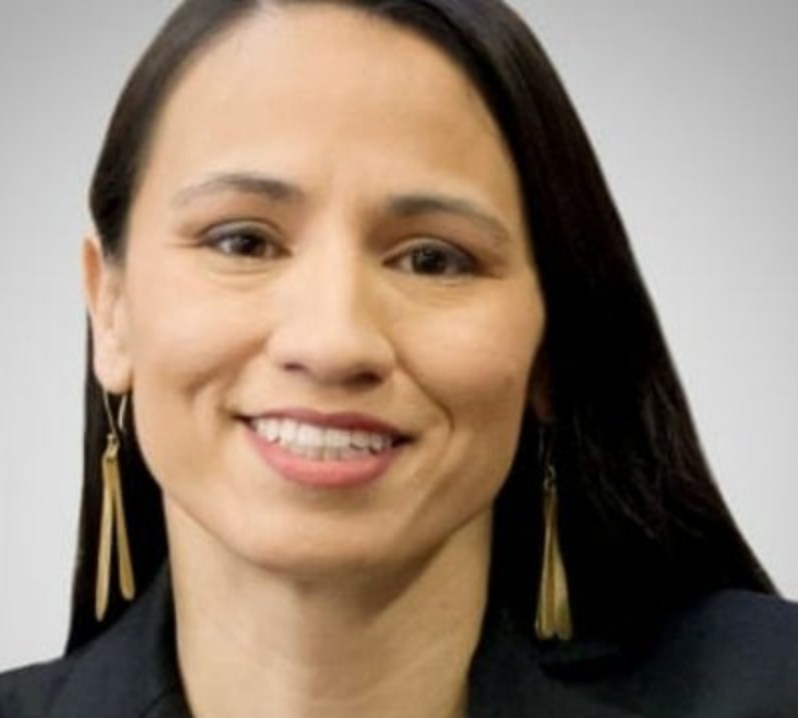
Kansas elected Sharice Davids, an openly gay ex-MMA fighter and one of the first Native American women (alongside Deb Haaland) elected to Congress
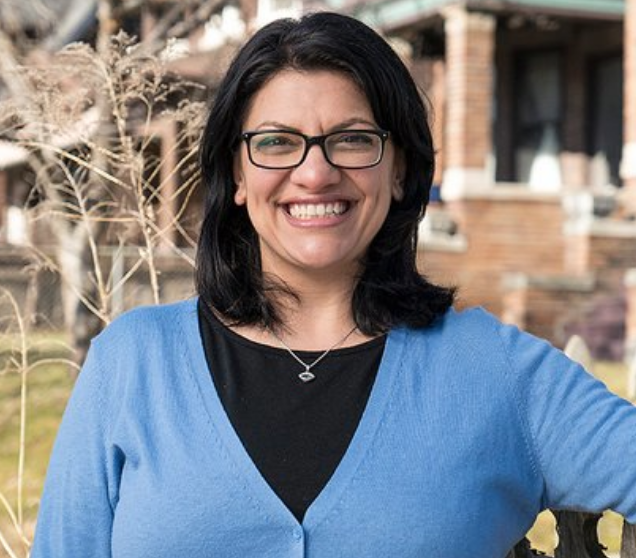
Michigan elected Rashida Tlaib, the first Palestinian-American (and first Muslim woman, alongside Ilhan Omar) elected to Congress
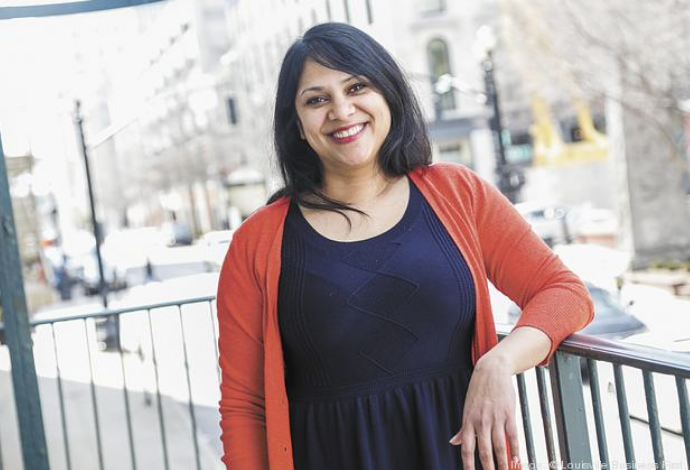
Kentucky elected Nima Kulkarni, the first Indian-American elected to Kentucky House of Representatives
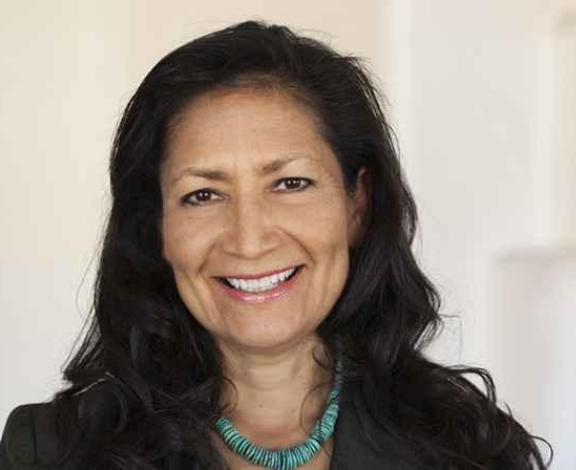
New Mexico elected Deb Haaland, one of the first Native American women (alongside Sharice Davids) elected to Congress
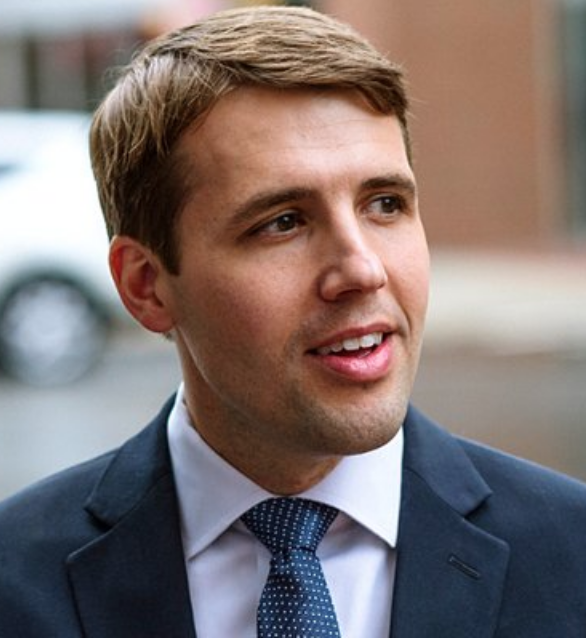
New Hampshire elected Chris Pappas, the first openly gay member of Congress from New Hampshire
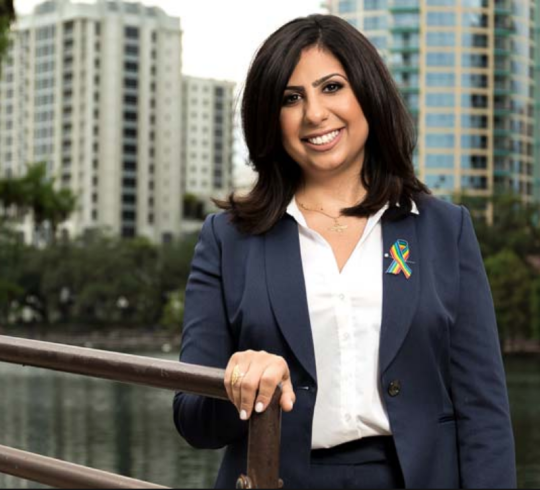
Florida elected Anna Eskamani, the first Iranian-American state lawmaker in Florida
Texas elected Veronica Escobar and Sylvia Garcia, the first Texas Latinas in Congress
Colorado elected Joe Neguse, the first black Coloradan in Congress
New York elected Letitia “Tish” James, the first black woman elected New York State Attorney General
Connecticut elected Jahana Hayes, the first black, Connecticut woman in Congress
Minnesota elected Angie Craig, the first lesbian mother in Congress
Guam elected Lou Leon Guerrero, the first female governor of Guam
And a record number of women will be elected to the House.
Representation matters. Diversity matters. This is progress.
A landmark climate-change lawsuit brought by young people against the US government can proceed, the Supreme Court said on 2 November. The case, Juliana v. United States, had been scheduled to begin trial on 29 October in Eugene, Oregon, in a federal district court. But those plans were scrapped last month after President Donald Trump’s administration asked the Supreme Court to intervene and dismiss the case.
The plaintiffs, who include 21 people ranging in age from 11 to 22, allege that the government has violated their constitutional rights to life, liberty and property by failing to prevent dangerous climate change. They are asking the district court to order the federal government to prepare a plan that will ensure the level of carbon dioxide in the atmosphere falls below 350 parts per million by 2100, down from an average of 405 parts per million in 2017.
By contrast, the US Department of Justice argues that “there is no right to ‘a climate system capable of sustaining human life’” — as the Juliana plaintiffs assert.
Bear forever in mind that this is a conservative government, a Republican government, arguing that no one has the right to a livable planet.
This is insane. Surely “Life, liberty and the pursuit of happiness” would cover having a planet capable of sustaining life, no?









 Solfege Navigator